
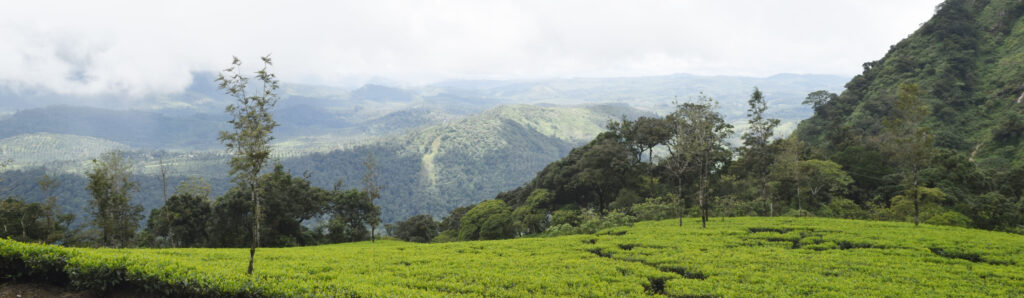
🌄 வால்பாறை வரலாறு – தமிழ்நாடு, தென்னிந்தியா
🌄 Valparai History – Tamil Nadu, South India
Valparai
🌄 வால்பாறை வரலாறு – தமிழ்நாடு, தென்னிந்தியா
மேற்கு தொடர்ச்சி மலைத்தொடரில் அமைந்துள்ள அழகிய மலைநகரமான வால்பாறை, தமிழ்நாடு மாநிலத்தின் முக்கிய சுற்றுலா தலங்களில் ஒன்றாக விளங்குகிறது. இன்று இது தேயிலை தோட்டங்கள், வனவிலங்குகள் மற்றும் இயற்கை வளங்களுக்காக புகழ்பெற்றது.
இந்த பகுதி ஆனைமலை புலிகள் காப்பகம் பகுதிக்குள் அமைந்துள்ளது. வால்பாறையின் வரலாறு பெரும்பாலும் பிரிட்டிஷ் காலத்து தோட்ட வளர்ச்சியுடன் தொடர்புடையதாகும்.
🌱 தொடக்க கால தோட்ட வரலாறு (1846 – 1864)
1846 ஆம் ஆண்டு, திரு. ராமசாமி முதலியார் அவர்கள் தனது சொந்த நிலத்தில் காபி பயிரிடத் தொடங்கியது வால்பாறை தோட்ட வரலாற்றின் தொடக்கமாக கருதப்படுகிறது.
பின்னர் 1864 ஆம் ஆண்டு:
கர்நாடிக் காபி கம்பெனி
சில ஆங்கிலேயர்கள்
ஆனைமலை மலைப்பகுதியில் பயிரிட நிலம் வழங்குமாறு மதராஸ் அரசிடம் கோரிக்கை வைத்தனர்.
👉 அரசு:
பயனின்றி இருந்த நிலங்களை
ஏக்கருக்கு ரூ.5 என்ற விலையில்
விற்பனை செய்தது
ஆரம்பத்தில் காபி பயிரிடப்பட்டது. ஆனால் எதிர்பார்த்த விளைச்சல் இல்லாததால், சில நிலங்கள் பிறருக்கு விற்பனை செய்யப்பட்டன.
📍 அவற்றில் சில:
வேவர்லி எஸ்டேட்
வாட்டர்ஃபால்ஸ் எஸ்டேட்
👑 இங்கிலாந்து இளவரசர் வருகை திட்டம் (1875)
1875 ஆம் ஆண்டு, இங்கிலாந்தின் வேல்ஸ் இளவரசர் Edward VII இந்தியா வந்தபோது, கோனலார் பள்ளத்தாக்கு வழியாக கிராஸ் ஹில்ஸ் பகுதியில் வேட்டையாட திட்டமிட்டார்.
இதற்காக:
முகாம்கள் அமைக்கப்பட்டன
சாலைகள் மற்றும் பாதைகள் உருவாக்கப்பட்டன
விருந்தினர் இல்லங்கள் கட்டப்பட்டன
பல ஆங்கிலேயர்கள் அங்கு தங்கி இருந்ததால் அந்த பகுதி
👉 “ஆங்கிலக்குறிச்சி” (இன்று அங்கலக்குறிச்சி) என அழைக்கப்பட்டது
பணிகளுக்காக:
படைவீரர்கள்
குதிரைகள்
யானைகள்
பயன்படுத்தப்பட்டன. ஆனால் பின்னர் இளவரசர் தனது வேட்டை பயணத்தை ரத்து செய்தார்.
🌳 வன பாதுகாப்பு முடிவு (1877)
1877 ஆம் ஆண்டு, வன அழிவு அதிகரித்ததை அரசு கவனித்தது.
👉 அதனால்:
இனிமேல் தோட்டங்களுக்கு நிலம் வழங்கக்கூடாது என்று முடிவு செய்யப்பட்டது
இதற்கான காரணங்கள்:
மழை பாதிப்பு
காடுகள் அழிவு
இயற்கை வளங்கள் குறைவு
அந்த காலத்தில் தேக்கு மரங்கள் அதிகமாக வெட்டப்பட்டதால் சில பகுதிகளில் முற்றிலும் குறைந்துவிட்டன.
இதனால்:
👉 தோட்ட உரிமையாளர்கள் மற்றும் வனத்துறை அதிகாரிகள் இடையே முரண்பாடுகள் ஏற்பட்டன
🌿 மீண்டும் தோட்டங்களுக்கு அனுமதி (1890)
1890 ஆம் ஆண்டு:
திரு. வி. வின்டில்
திரு. நார்டன்
அரசிடம் மீண்டும் நிலம் வழங்குமாறு கோரிக்கை வைத்தனர்.
அவர்கள் விளக்கம் அளித்தது:
👉 இப்பகுதியின் நீர்நிலைகள் பெரும்பாலும் கொச்சி வழியாக அரபிக்கடலில் கலக்கின்றன
இதன் பின்னர் அரசு மீண்டும் சில பகுதிகளை தோட்ட வளர்ச்சிக்காக வழங்கியது.
👤 கார்வர் மார்ஷ் அவர்களின் பங்களிப்பு
திரு. வின்டில், தனது தோட்ட வளர்ச்சிக்காக 17 ஆண்டுகள் அனுபவமுள்ள
👉 திரு. கார்வர் மார்ஷ் அவர்களை மாதம் ரூ.250 சம்பளத்தில் பணியில் அமர்த்தினார்.
அவரின் சிறப்புகள்:
உழைப்பாளி
மனிதநேயமானவர்
தொழிலாளர்களுடன் நல்ல உறவு
நோயுற்றவர்களுக்கு மருத்துவ உதவி செய்ததால்,
👉 அவர் “ஆனைமலை தந்தை” என அழைக்கப்பட்டார்
அவரது நினைவாக:
📍 காவற்கல் எஸ்டேட்டில் சிலை நிறுவப்பட்டுள்ளது
🍃 தேயிலை தோட்ட வளர்ச்சி
காலப்போக்கில் காபி பயிரிடுதல் குறைந்து, தேயிலை தோட்டங்கள் வேகமாக வளர்ச்சியடைந்தன.
🏢 ஸ்டான்மோர் குழு (Hindustan Lever Ltd.)
1896 – ரூபி டீ கம்பெனி தொடக்கம்
1898 – சிரிக்குன்றா எஸ்டேட் (E.J. மார்ட்டின்)
1927 – நல்லகத்து & இஞ்சிப்பாறை எஸ்டேட்கள்
1939 – 5204 ஏக்கரில் தேயிலை
🌿 வெல்லமலை குழு (Periya Karamalai Tea Produce Co. Ltd.)
1925–1930 – வெல்லமலை & காஞ்சமலை
1038 ஏக்கர் தேயிலை
🌱 பெரிய கரமலை டீ குழு
1911 – கார்வர் மார்ஷ் தொடக்கம்
1927 – 777 ஏக்கர்
🌳 ஷேகல்முடி குழு (Parry Agro Industries Ltd.)
1904 – கல்லயாண பந்தல் எஸ்டேட்டில் ரப்பர்
“கல்யாணி” தெய்வம் பெயரில் வந்த பெயர்
🐘 இன்றைய வால்பாறை
இன்று வால்பாறை:
முக்கிய தேயிலை உற்பத்தி மையம்
பிரபலமான சுற்றுலா தலம்
ஆனைமலை புலிகள் காப்பகம் பகுதியில் அமைந்துள்ளதால், இங்கு:
யானைகள்
கரடிகள்
புலிகள்
போன்ற வனவிலங்குகள் காணப்படுகின்றன.
🛣️ வால்பாறையின் சிறப்புகள்
வால்பாறையை தனித்துவமாக்குவது:
பொள்ளாச்சி – வால்பாறை சாலை
👉 40 கொண்டை ஊசி வளைவுகள்
பசுமையான தேயிலை தோட்டங்கள்
அழகிய நீர்வீழ்ச்சிகள்
குளிர்ந்த மற்றும் இனிய காலநிலை
📌 முடிவு
வால்பாறையின் வரலாறு என்பது:
👉 காடுகளில் இருந்து தோட்டங்களாக
👉 தோட்டங்களில் இருந்து சுற்றுலா மையமாக
மாறிய ஒரு அற்புதமான பயணம்.
இது இன்று:
இயற்கை
வரலாறு
வனவிலங்கு
சுற்றுலா
இவற்றின் சங்கமமாக திகழ்கிறது 🌿
🌄 Valparai History – Tamil Nadu, South India
Valparai, a beautiful hill station located in the Western Ghats of Tamil Nadu, is today famous for its tea plantations, wildlife, and scenic tourist attractions. The region lies within the Anamalai Tiger Reserve (ஆனைமலை புலிகள் காப்பகம்).
The history of Valparai is closely connected with British-era plantation development.
🌱 Early Plantation History (1846 – 1864)
The plantation history of Valparai is believed to have begun in 1846, when Ramasamy Mudaliyar started coffee cultivation on his own land.
Later, in 1864, the Carnatic Coffee Company along with several British planters requested land from the Madras Government for cultivation in the Anamalai hills.
The government approved the request
Forest lands were sold at ₹5 per acre
Initially, coffee was cultivated
However, due to poor yield, many estates were later sold to others. Some of these lands are now known as:
Waverly Estate
Waterfalls Estate
👑 Visit of the Prince of Wales (1875)
In 1875, Edward VII, Prince of Wales, planned a hunting expedition in the Grass Hills via the Konalar valley during his visit to India.
To facilitate this:
Camps were established
Roads and pathways were built
Guest houses were constructed
Many British officials stayed in the area
This led to the place being called “Anglakurichi” (present-day Angalakurichi).
Elephants, horses, and soldiers were used for arrangements. However, the Prince later cancelled the hunting trip.
🌳 Forest Protection Decision (1877)
By 1877, the government observed large-scale deforestation and decided:
👉 No more forest land should be allocated for plantations
The concern was that:
Forest destruction would affect rainfall
Natural ecosystems would be damaged
Excessive cutting of teak trees had already caused depletion in some areas, leading to conflicts between planters and forest officials.
🌿 Reopening for Plantations (1890)
In 1890, planters W. Wintle and Norton requested the government again for land allocation.
They argued that:
Most rivers in this region flow towards Cochin and drain into the Arabian Sea
Following this, the government reconsidered and allowed limited plantation expansion.
👤 Contribution of Carver Marsh
W. Wintle appointed Carver Marsh, an experienced plantation manager, at a salary of ₹250 per month.
Carver Marsh:
Had over 17 years of experience
Maintained good relationships with workers
Provided medical support to labourers
Due to his dedication, he was fondly called the “Father of Anamalai”.
A statue sent by his wife is still installed at Kavarkal Estate in his memory.
🍃 Growth of Tea Plantations
Over time, coffee cultivation declined and tea plantations became dominant.
Stanmore Group (Hindustan Lever Ltd.)
1898 – E.J. Martin developed Sirikundra Estate
1896 – Ruby Tea Company established
1927 – Nallakathu & Injiparai estates acquired
1939 – Tea cultivated across 5,204 acres
Vellamalai Group (Periya Karamalai Tea Produce Co. Ltd.)
1925–1930 – Vellamalai & Kanchamalai estates developed
Tea cultivated over 1,038 acres
Periya Karamalai Tea Group
1911 – Work initiated by Carver Marsh
By 1927 – Tea cultivation expanded to 777 acres
Sheikalmudi Group (Parry Agro Industries Ltd.)
1904 – Rubber plantation started at Kallayanapandal Estate
Name derived from the tribal deity “Kalyani”
🌄 Present-Day Valparai
Today, Valparai is:
A major tea-producing region
A popular tourist destination
Being part of the Anamalai Tiger Reserve (ஆனைமலை புலிகள் காப்பகம்), it is rich in wildlife such as:
Elephants
Bears
Tigers
The famous:
Pollachi – Valparai road with 40 hairpin bends
Lush tea estates
Waterfalls and cool climate
make Valparai a unique and scenic destination in South India.
📌 Conclusion
Valparai’s history reflects a journey from:
Dense forest land
To British-era plantations
To a thriving tea and eco-tourism hub
It stands today as a perfect blend of nature, history, and plantation heritage.
🔥 SEO Keywords (for your website)
Valparai history
History of Valparai Tamil Nadu
Valparai tea plantation history
Anamalai hills plantation history
Valparai tourism history
If you want next:
✅ I can convert this into Google Discover optimized article
✅ Add internal links for valparai.com / aliyardam.com SEO boost
✅ Create short news version + social post
include your content also
Here is your enhanced English article combining your detailed historical content + my structured SEO content into one professional, publish-ready version:
🌄 Valparai History – Tamil Nadu, South India
Valparai, a scenic hill station located in the Western Ghats of Tamil Nadu, lies at an altitude of about 3,500 feet. Today, it is well known for its lush tea estates, rich biodiversity, and peaceful tourism environment.
The region is surrounded by the Anamalai Tiger Reserve (ஆனைமலை புலிகள் காப்பகம்), making it one of the most ecologically significant hill regions in South India.
🏞️ Early History – Tribal Land
Before plantation development, Valparai was a dense forest inhabited by indigenous tribes such as:
Kadar
Malasar
Pulayar
These communities lived in harmony with nature, depending on forests, rivers, and wildlife for survival.
🌱 Beginning of Plantation History (1846 – 1864)
The recorded plantation history of Valparai began in 1846, when Ramasamy Mudaliyar initiated coffee cultivation on his own land.
In 1864, the Carnatic Coffee Company along with British planters requested land from the Madras Government for plantation development.
Government sold forest land at ₹5 per acre
Coffee was initially cultivated
Due to low productivity, several estates were later sold
Some of these early plantations are now known as:
Waverly Estate
Waterfalls Estate
👑 Prince of Wales Visit Plan (1875)
In 1875, Edward VII, Prince of Wales, planned a hunting expedition in the Grass Hills via the Konalar valley.
To prepare for the visit:
Camps were established
Roads and pathways were developed
Guest houses were constructed
British officials temporarily settled in the region
This led to the area being called “Anglakurichi” (present-day Angalakurichi).
Elephants, horses, and soldiers were used for arrangements. However, the Prince later cancelled his hunting trip.
🌳 Forest Protection Policy (1877)
By 1877, large-scale deforestation raised concerns.
The government decided:
👉 No further forest land should be given for plantations
Reasons included:
Impact on rainfall
Loss of biodiversity
Over-cutting of teak trees
This caused conflicts between plantation owners and forest authorities.
🌿 Reopening of Plantation Expansion (1890)
In 1890, planters W. Wintle and Norton appealed again for land allocation.
They explained that:
Rivers from this region mostly flow towards Cochin and into the Arabian Sea
Following this, the government permitted limited plantation expansion once again.
👤 Contribution of Carver Marsh
W. Wintle appointed Carver Marsh, an experienced plantation manager, with a salary of ₹250 per month.
Carver Marsh:
Had over 17 years of experience
Maintained strong relationships with workers
Provided medical care to labourers
Due to his dedication, he was honored as the “Father of Anamalai”.
A statue in his memory, sent by his wife, still stands at Kavarkal Estate.
🍃 Transition from Coffee to Tea
Over time, coffee plantations declined, and tea cultivation became dominant, shaping Valparai’s identity.
Major Plantation Developments
🏢 Stanmore Group (Hindustan Lever Ltd.)
1896 – Ruby Tea Company established
1898 – Sirikundra Estate developed by E.J. Martin
1927 – Nallakathu & Injiparai estates acquired
1939 – Tea cultivated across 5,204 acres
🌿 Vellamalai Group (Periya Karamalai Tea Produce Co. Ltd.)
1925–1930 – Vellamalai & Kanchamalai estates developed
1,038 acres under tea cultivation
🌱 Periya Karamalai Tea Group
1911 – Initiated by Carver Marsh
By 1927 – Expanded to 777 acres
🌳 Sheikalmudi Group (Parry Agro Industries Ltd.)
1904 – Rubber plantation at Kallayanapandal Estate
Name derived from tribal deity “Kalyani”
🛤️ Infrastructure Development
With plantation growth:
Roads were constructed (including the famous Pollachi–Valparai ghat road)
Estate bungalows and factories were built
Worker settlements developed
This transformed Valparai into a structured hill township.
🐘 Wildlife and Ecology
Despite plantation expansion, Valparai remains deeply connected to its forest ecosystem.
Located within the Anamalai Tiger Reserve (ஆனைமலை புலிகள் காப்பகம்), it is home to:
Elephants
Tigers
Bears
Lion-tailed macaques
Wildlife movement through tea estates still reflects its original forest landscape.
🇮🇳 Post-Independence Era
After India’s independence:
Plantations came under Indian ownership
Tourism began to grow gradually
Valparai remained less commercialized compared to other hill stations
This helped preserve its natural beauty and biodiversity.
🌄 Valparai Today
Today, Valparai is:
A major tea-producing region
A peaceful eco-tourism destination
Key highlights include:
Pollachi – Valparai road with 40 hairpin bends
Scenic tea estates
Waterfalls and rivers
Cool and pleasant climate
📌 Conclusion
Valparai’s history is a remarkable journey:
From tribal forest land
To British-era plantation development
To a modern eco-tourism destination
It stands today as a perfect blend of:
👉 Nature
👉 History
👉 Plantation heritage
👉 Wildlife conservation